
Women’s Clothing Manufacturer: Full-Category vs Single-Line
Most brands do not sell one product. A single drop can mix an evening dress, a knit cardigan and a tailored coat. If each category comes from a different supplier, you multiply sampling rounds, shipping consolidations and the number of people who can delay you.
- One supplier means one sampling calendar.
- Separate lines still matter — ask who runs knit versus woven.
- Combined POs cut freight and admin cost.
- Test a new category with 50 pieces first.
1. Why category breadth saves calendar time
Every new supplier adds a first sample, a second sample and a payment cycle. A factory that already cuts and sews your main category can absorb a second category into the same production window.
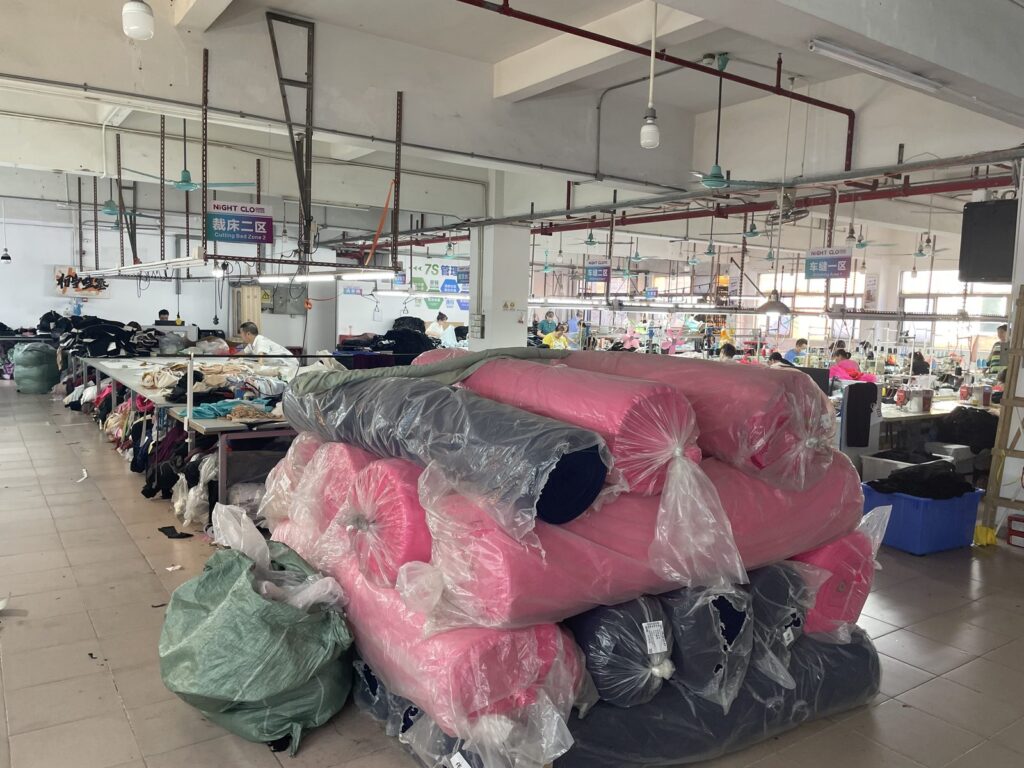
2. Breadth is not the same as depth
Ask which lines run your category. A factory may offer ten categories and still route knitwear through a partner. That is fine if it is declared, not discovered later. We run woven and knit lines in-house and keep beaded work on dedicated stations.
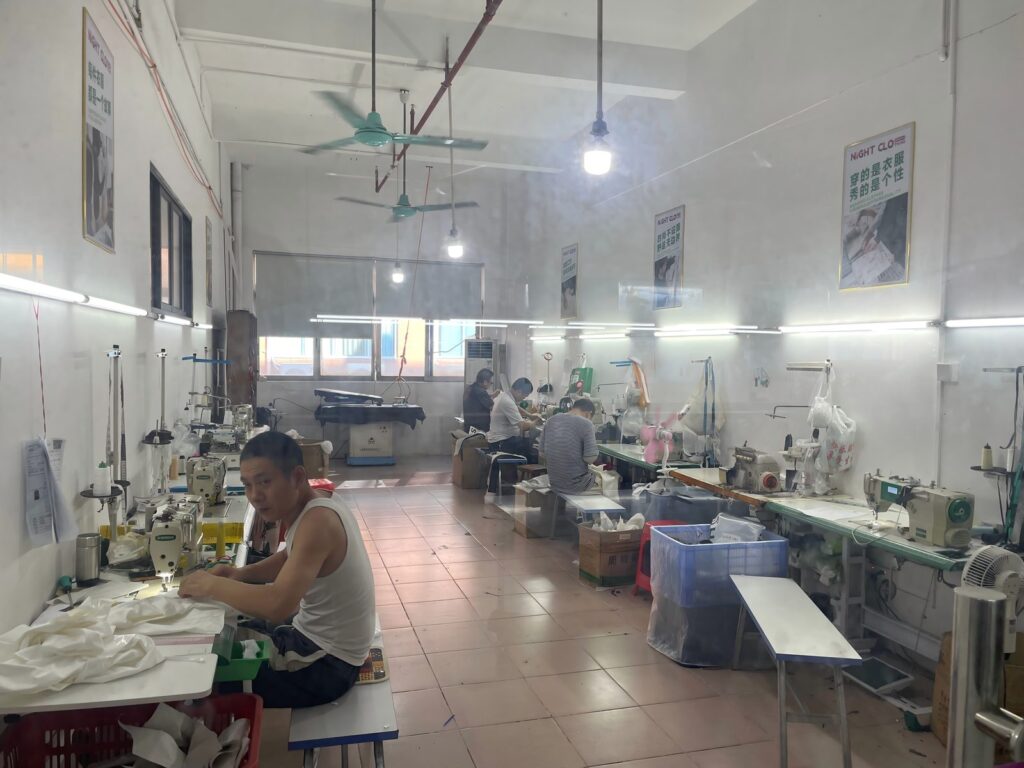
3. Pattern blocks are reusable
A factory that already holds your size blocks for dresses can grade a new woven style faster. Every new supplier starts from zero on fit, which is where most sample rounds disappear.
4. What to ask before combining categories
| Question | Good answer | Warning sign |
|---|---|---|
| Which line runs knit? | Named line and machine type | “We do everything” |
| Shared or separate QC? | Same QC lead across lines | Third-party only |
| Combined shipping? | One carton plan per PO | Separate shipments per category |
| MOQ per category | Stated per style and colour | One blended MOQ |
5. Start with a 50-piece test
Put one style and one colour through the new category at 50 pieces. Compare the sample against your block, then scale. That single step removes most of the risk of a mixed PO.
Next step
Browse the product range to see the categories we run, or read how OEM & ODM development handles a mixed range. Send your line sheet through Contact.