
Occasion Wear Manufacturing: From Sketch to Shipment
Occasion wear is unforgiving. A few millimetres at the neckline or a beading sequence that shifts after pressing is enough to fail a fit session. Here is how a professional OEM/ODM run moves from sketch to shipment, so you know what to approve and when.
- Design and tech pack
- Pattern making and grading
- Sampling and approval
- Fabric inspection and cutting
- Sewing by sub-assembly
- Finishing and quality control
- Packing
- Shipping
Step 1 — Design and tech pack
Everything starts with a spec: style sketch, measurement chart, fabric and trims, construction notes, finishing. A clear tech pack is the difference between one sample round and five. For embellished pieces, note bead size, placement and backing — those details decide both cost and durability.
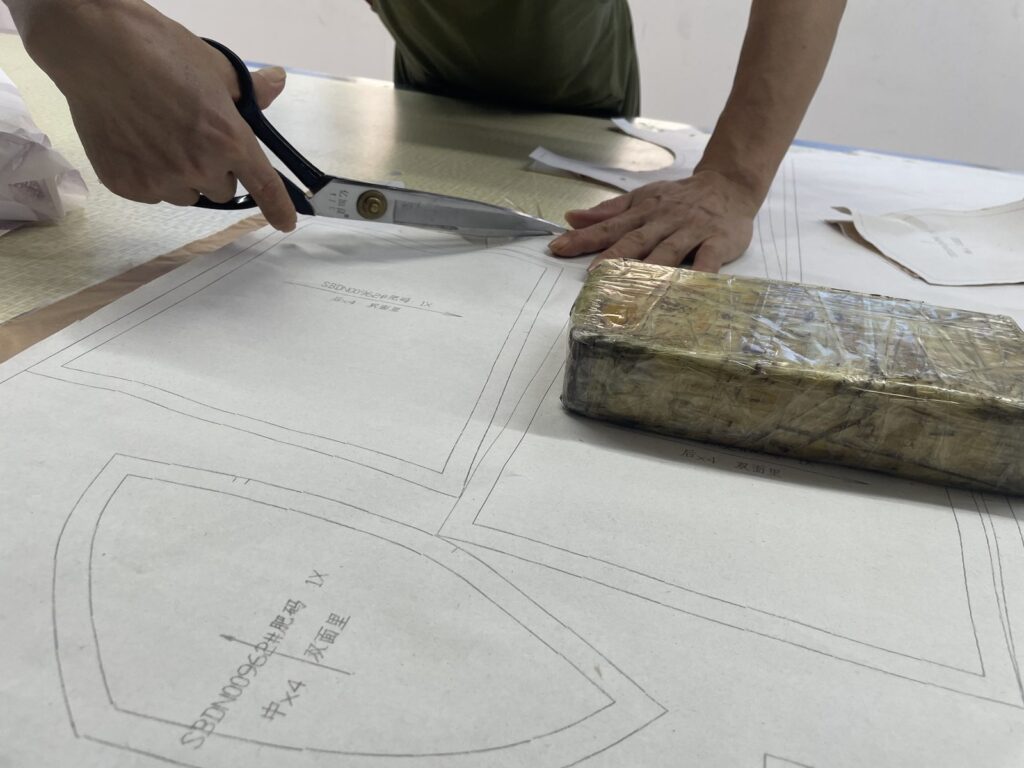
Step 2 — Pattern making and grading
The pattern is drafted from the base size, then graded across your range. On occasion wear the pattern must carry the weight of beading and the behaviour of the lining, or the dress will pull where it should drape.
Step 3 — Sampling and approval
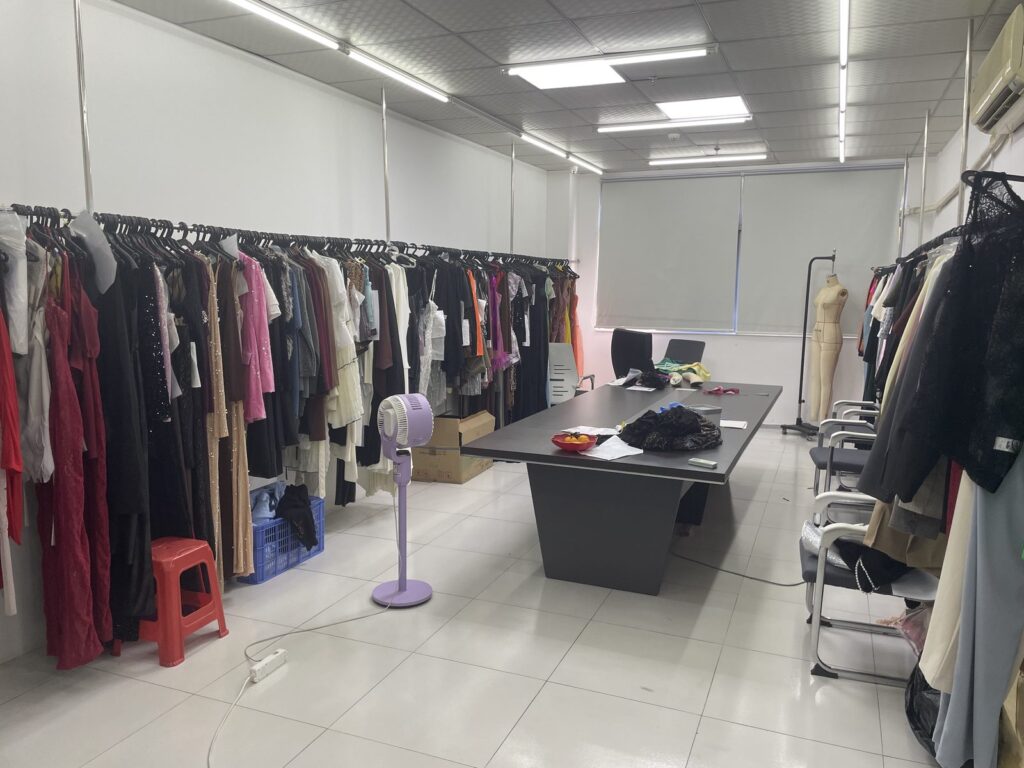
A sample checks fit, construction and finish. You review it, mark corrections, and approve before bulk. This is the cheapest place to be picky.
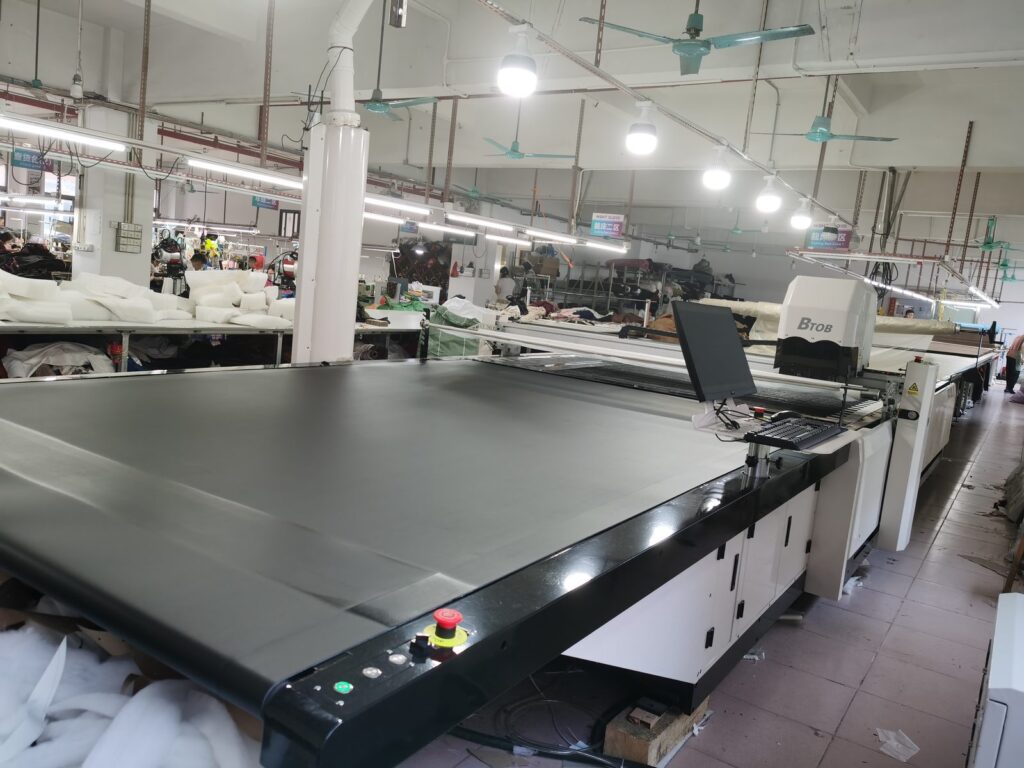
Step 4 — Fabric inspection and cutting
Fabric is checked for shade and defects, then spread and cut. On slippery or heavily embellished cloth, cutting methods and equipment should be selected to suit the material and checked against the approved pattern.
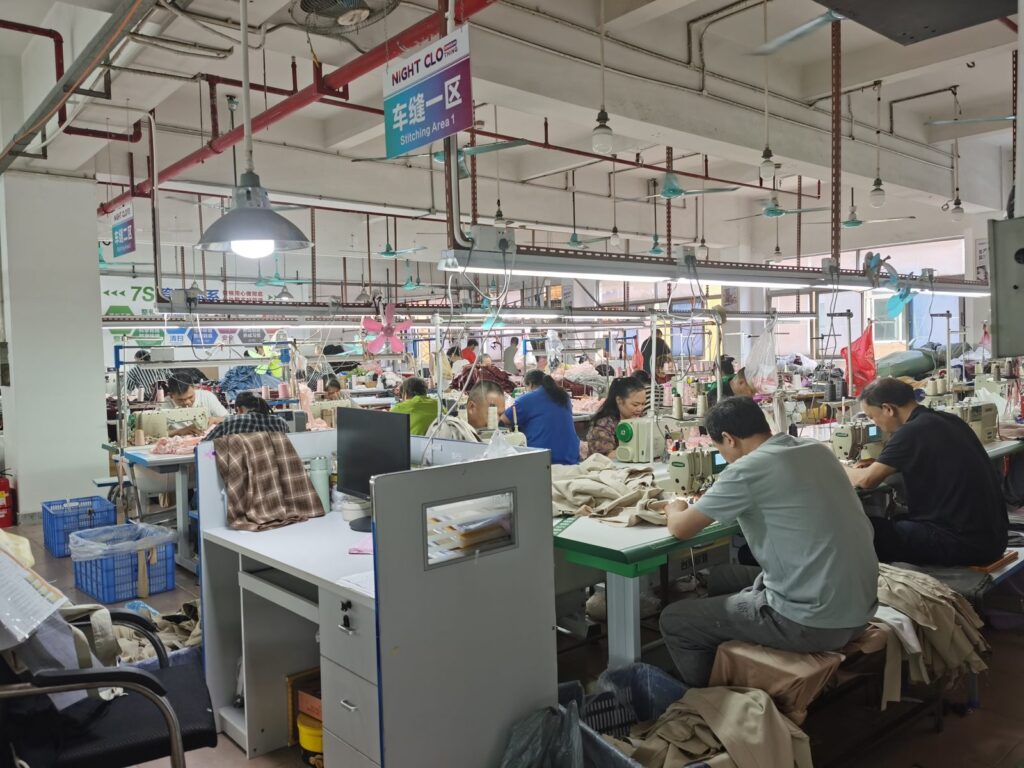
Step 5 — Sewing
Cut panels move to the lines by operation. Occasion wear is usually built in sub-assemblies — bodice, skirt, lining — then joined, so each operator specialises instead of improvising.
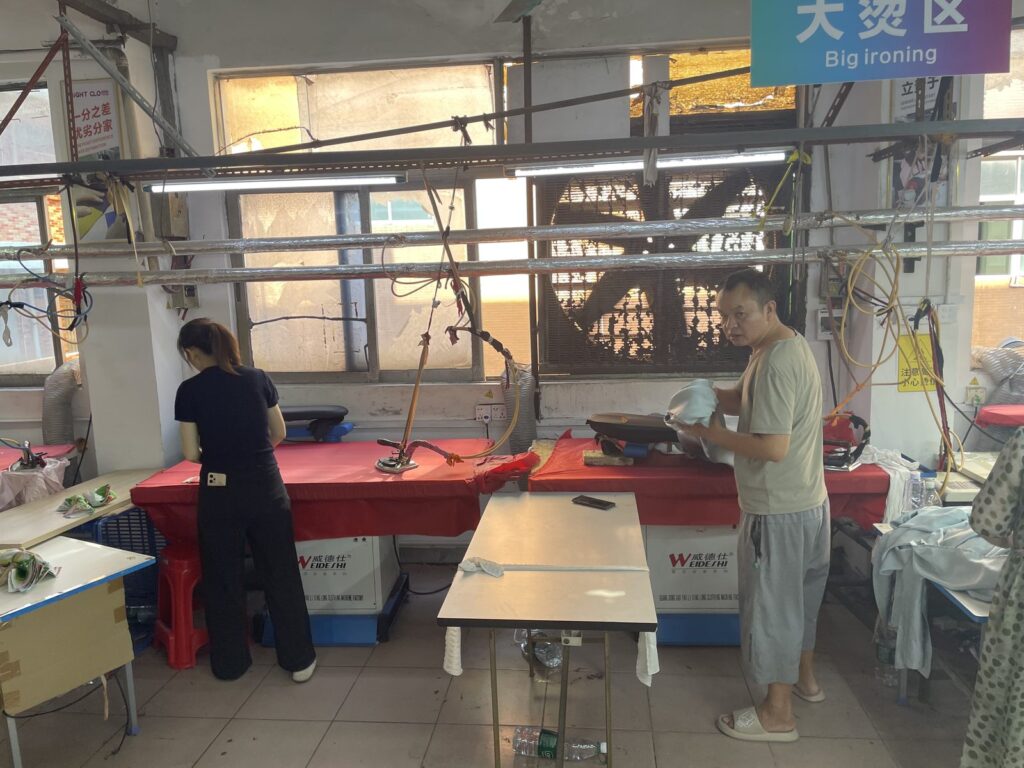
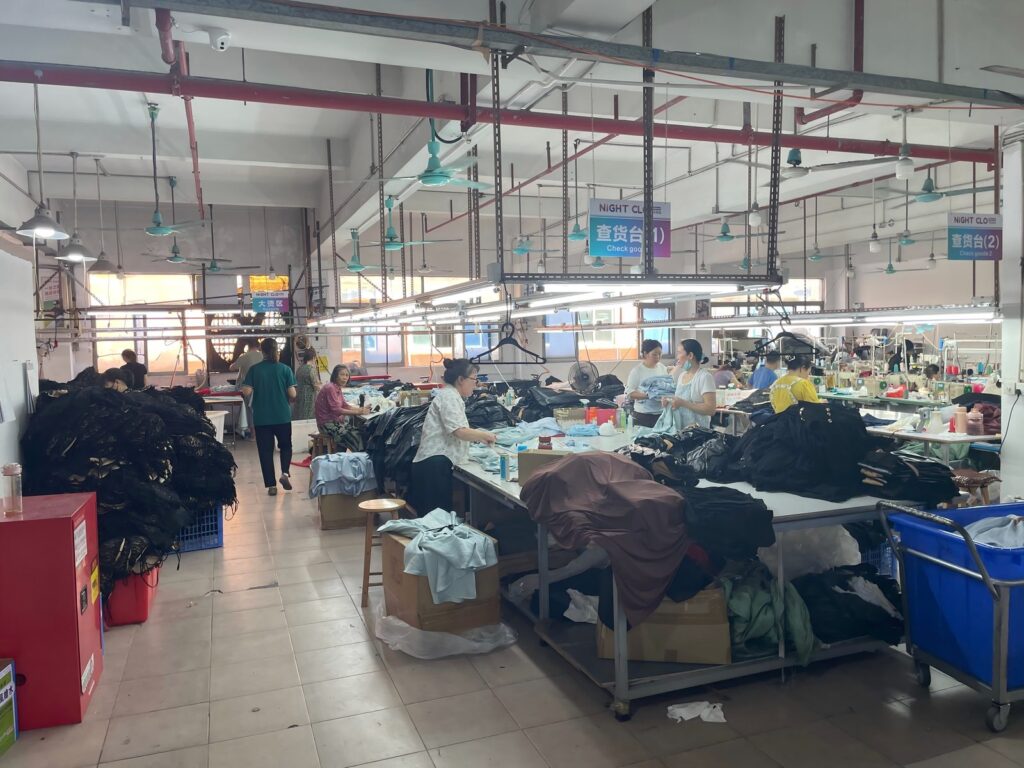
Step 6 — Finishing and quality control
Pressing, thread trimming and inspection happen here. In-line checks catch issues during sewing; final inspection checks measurements, symmetry, beading and cleanliness against an agreed AQL.
Step 7 — Packing
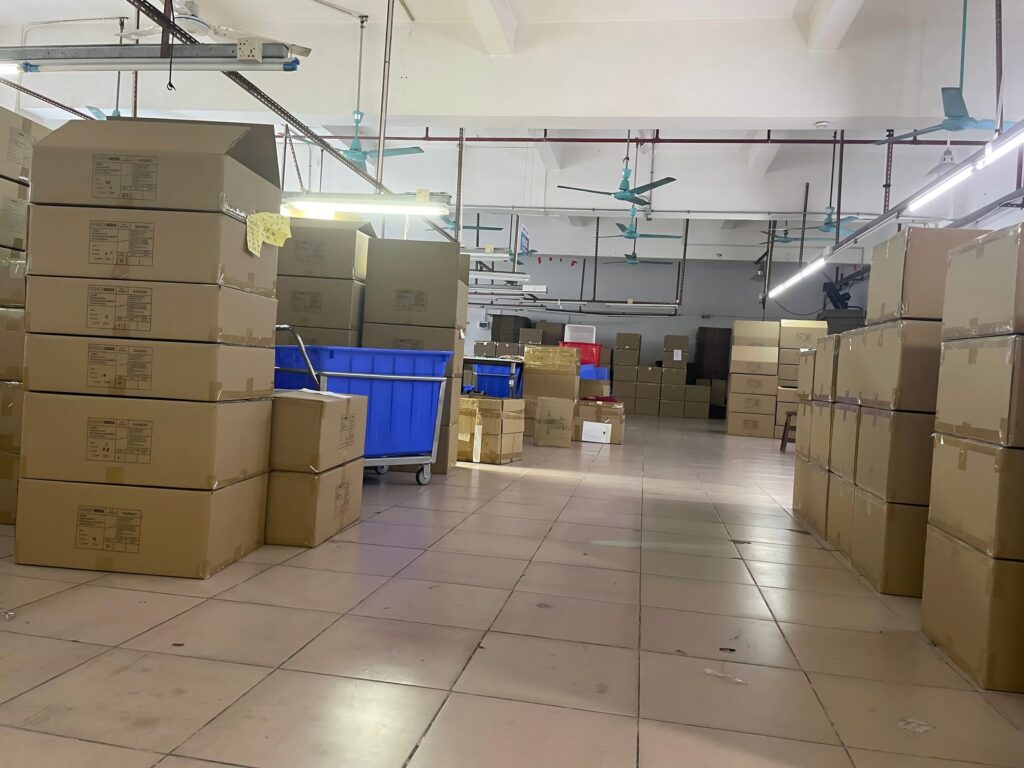
Approved pieces are pressed, tagged and packed to your spec — polybag, hanger or flat-pack — with your label and care instructions.
Step 8 — Shipping
Confirm the destination, shipping method and estimated transit time for your order. Transit time is separate from production and depends on the route and carrier.
The process at a glance
| Stage | Output | Your decision |
|---|---|---|
| Tech pack | Spec locked | Approve spec |
| Pattern and grading | Size set | Confirm range |
| Sampling | Fit sample | Approve or correct |
| Cutting | Cut panels | — |
| Sewing | Assembled garment | — |
| Finishing and QC | Inspected pieces | Review QC report |
| Packing | Packed goods | Confirm packing spec |
| Shipping | Delivered order | Track and receive |
Where to go next
See each stage on the floor in the Factory Show, or read how our OEM & ODM service runs development. Ready to start? Send your design.