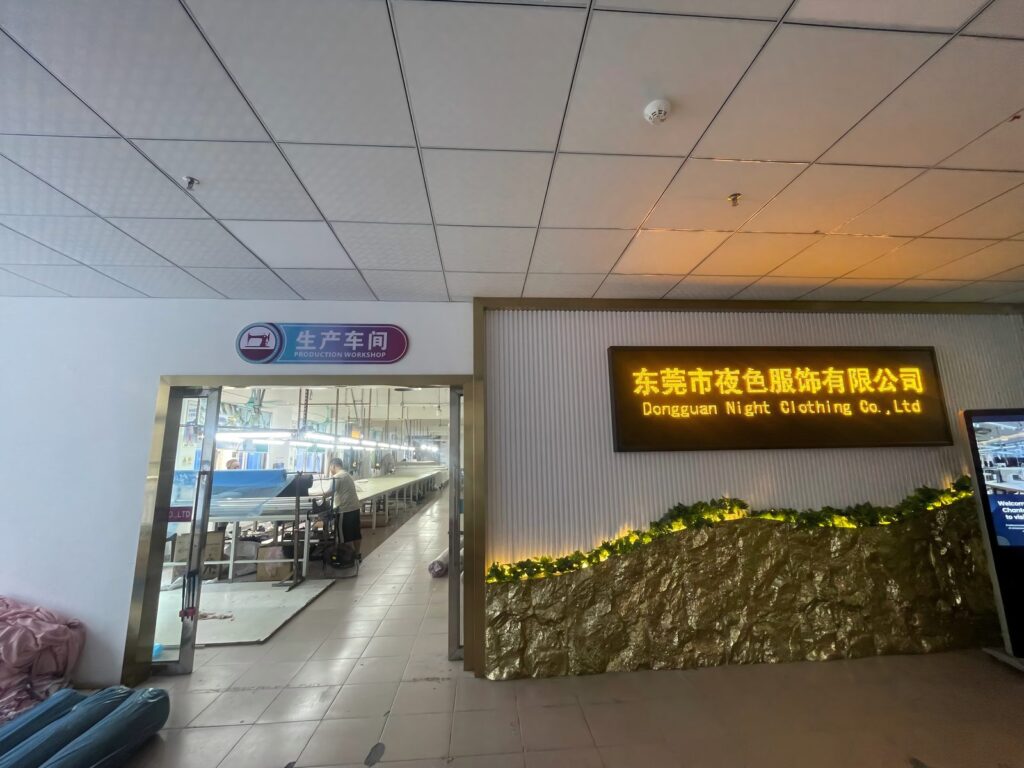
How to Choose a Women’s Clothing Manufacturer: 7-Point Checklist
Choosing a factory decides two things at once: whether your order ships on time, and whether the fit matches the sample you signed off. Most buyers open with “what’s your price?” — and then spend months fixing problems that a better start would have avoided. Work through these seven checks first; the pricing conversation gets much easier afterwards.
- Proof they make your category — not a general brochure.
- The real MOQ for a new style and a new colour.
- How they respond to a tech pack before you discuss money.
- Where quality is checked: in-line and final.
- A social audit with a verifiable amfori ID.
- Monthly capacity that matches your plan.
- Clear communication under one hard question.
1. Check they actually make your category
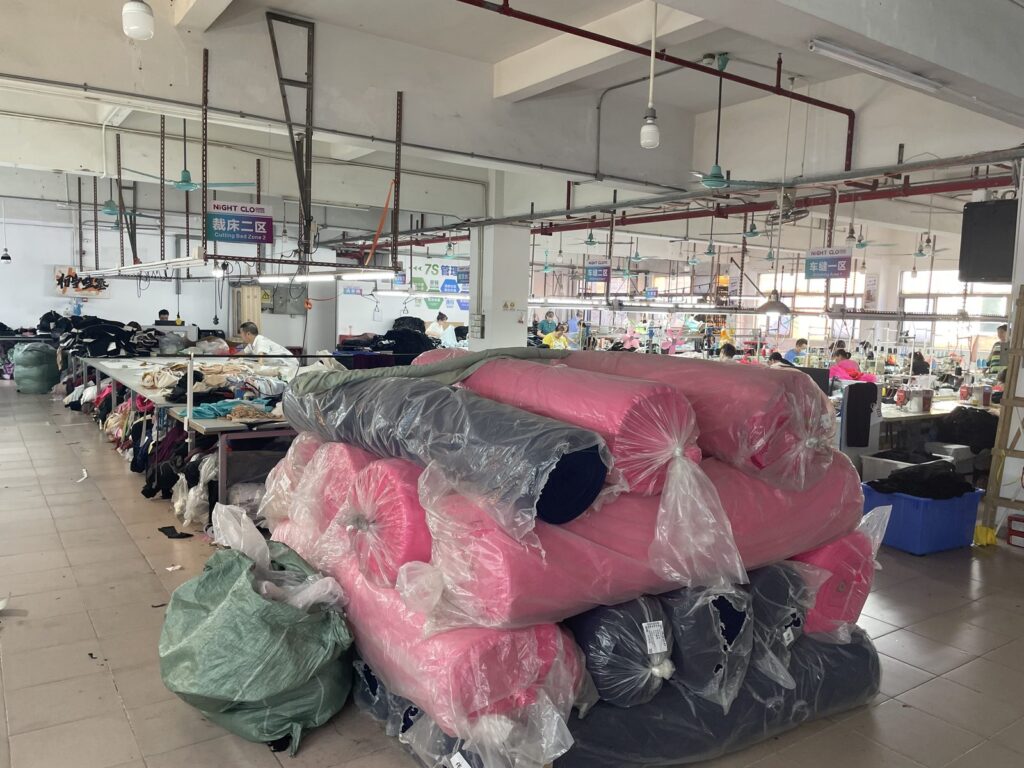
Ask for recent production in the exact category you are sourcing — occasion wear, knitwear, outerwear, tailored separates. A factory that runs basic jersey every day will struggle with beading, linings and structured shoulders, even if the quote looks friendly. Real workshop photos settle it faster than a PDF.
2. Get the honest MOQ
There are two numbers you need: the minimum for a brand-new style in a brand-new colour, and the minimum once a pattern already exists. If the first is far above what you can sell, you are funding their setup, not your launch. For eligible standard styles, a starting point can be 50 pieces per style and colour with mixed sizes; fabric and construction can require a higher minimum.
3. Send a tech pack before you ask for a price
A quote built without a spec is a guess. Send measurements, fabric, trims and construction notes, then watch how they reply: good factories flag risks before sampling instead of discovering them in bulk. If you are unsure what to send, start with our tech pack checklist.
4. Find out where quality is actually checked
“We check everything” is not a process. Ask whether inspection happens in-line during sewing and again as a final check before packing, against an agreed AQL. Request the inspection form they actually use.
5. Confirm the social audit is real
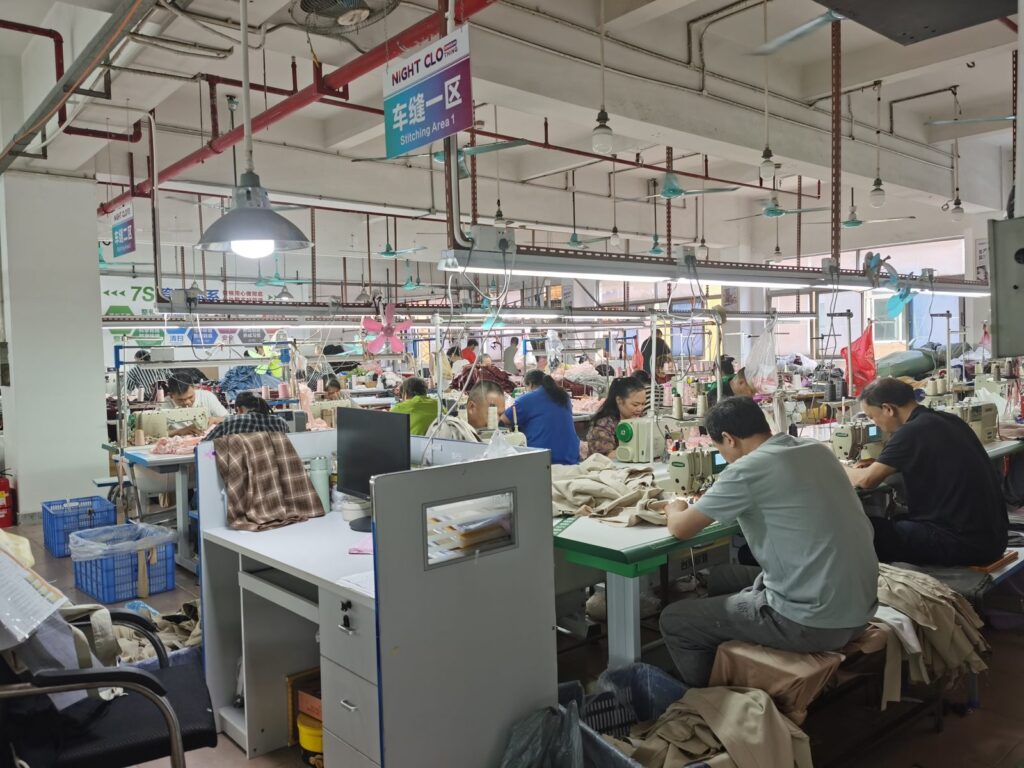
European and UK buyers increasingly require a social audit during onboarding. A amfori BSCI audit report should come with an amfori ID you can verify — a logo alone proves nothing. Compliance is a separate list from product quality; you still check both.
6. Match capacity to your plan
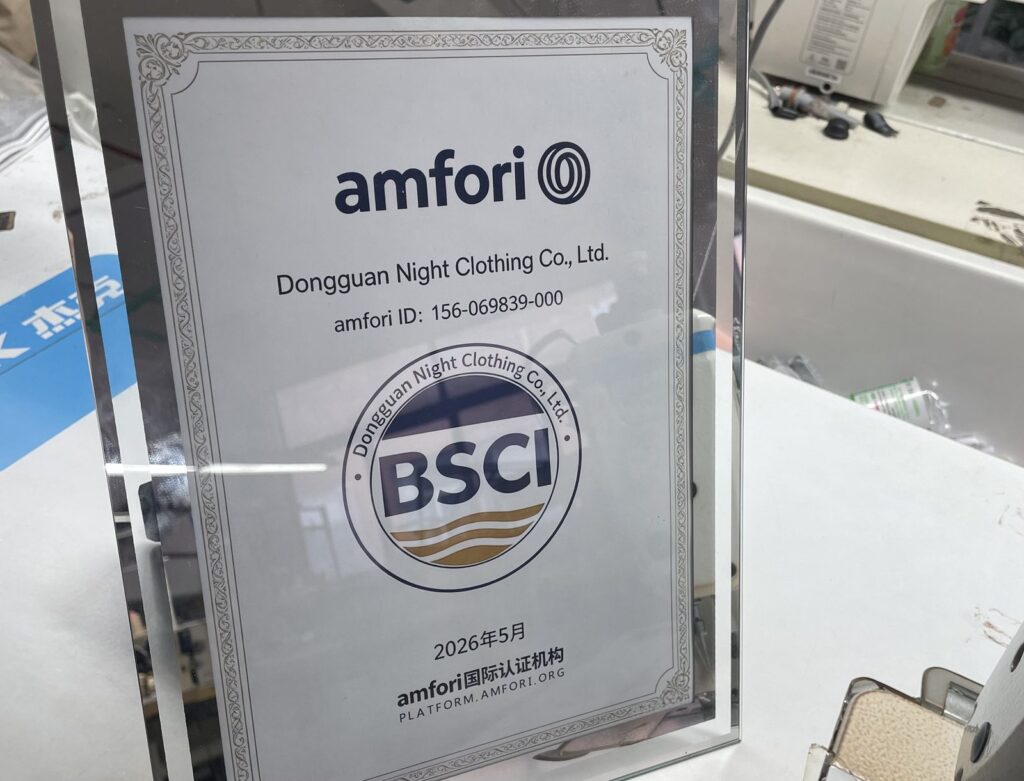
Ask what capacity is available for your specific category, how the factory will schedule your style, and which sampling, production and shipping timelines apply to your project.
7. Test how they communicate
Send one awkward but fair question — a construction risk, a tight deadline, a colour match you are unsure about. Fast, specific, honest answers are worth more than a glossy catalogue. You will be solving problems together for months; how they answer now is how they answer later.
A simple scoring sheet
| Check | What good looks like |
|---|---|
| Category proof | Recent samples and real photos in your product type |
| MOQ | Clear number for new style and new colour |
| Tech pack response | Written risk notes before quoting |
| Quality control | In-line and final inspection with a defined AQL |
| Compliance | Audit report with an identifiable site and amfori ID |
| Capacity | Specific monthly output and lead times |
| Communication | Fast, direct answers to hard questions |
Where to go next
If you want to see the floor behind these checks, browse the Factory Show or read how our OEM & ODM service handles development. Then send a tech pack through Contact and we will reply with feasibility, the minimum that applies and timing.